

Installation Tips for 135mm Composite Decking
Introduction
Composite decking has become a popular choice for outdoor living spaces due to its durability, low maintenance, and aesthetic appeal. The 135mm width of composite decking provides an excellent balance between stability and the natural look of wood. Installing this type of decking requires careful planning and execution. In this article, we will provide you with step-by-step instructions for installing 135mm composite decking, including the necessary tools, preparation steps, and common pitfalls to avoid.
Necessary Tools and Materials
To successfully install 135mm composite decking, you’ll need the following tools and materials:
- Measuring tape
- Level
- Post-hole digger
- Screwdriver or drill
- Screws (specifically designed for composite decking)
- Composite decking boards
- Decking joists
- Joist hangers
- Decking screws
- Decking clips
- Waterproof sealant (optional)
Preparation Steps
Before you start laying down your composite deck, it’s essential to prepare the site properly. Begin by clearing the area where the deck will be installed. Ensure that the ground is level and free from debris. Use a post-hole digger to create holes for the support posts at the corners and midpoints of the deck perimeter. Place the support posts in the holes and secure them with concrete. Allow the concrete to set according to the manufacturer’s instructions before proceeding.
Next, lay out the decking joists on the support posts. Ensure they are level and spaced according to the manufacturer’s recommendations. Secure the joists using joist hangers and screws. It’s crucial to double-check that everything is level and secure before moving on to the next step.
Common Pitfalls to Avoid
One of the most common mistakes when installing 135mm composite decking is not allowing for proper expansion gaps. Composite materials expand and contract with temperature changes, so leaving enough space between boards is vital. Failing to do so can result in warping or buckling over time. Additionally, always use screws specifically designed for composite decking. Regular wood screws can damage the composite material, leading to premature wear and tear.
Another pitfall to avoid is not following the manufacturer’s installation guidelines closely. Each brand may have specific requirements or recommended practices, so make sure to consult the documentation provided with your composite decking materials.
Step-by-Step Installation Process
With your site prepared and the necessary materials gathered, you’re ready to begin installing the composite decking. Start by laying out the first row of decking boards along the outer edge of the deck. Secure each board with screws or clips, ensuring they are evenly spaced and aligned. For subsequent rows, stagger the joints to ensure a strong and aesthetically pleasing finish. Continue this process until the entire deck is covered.
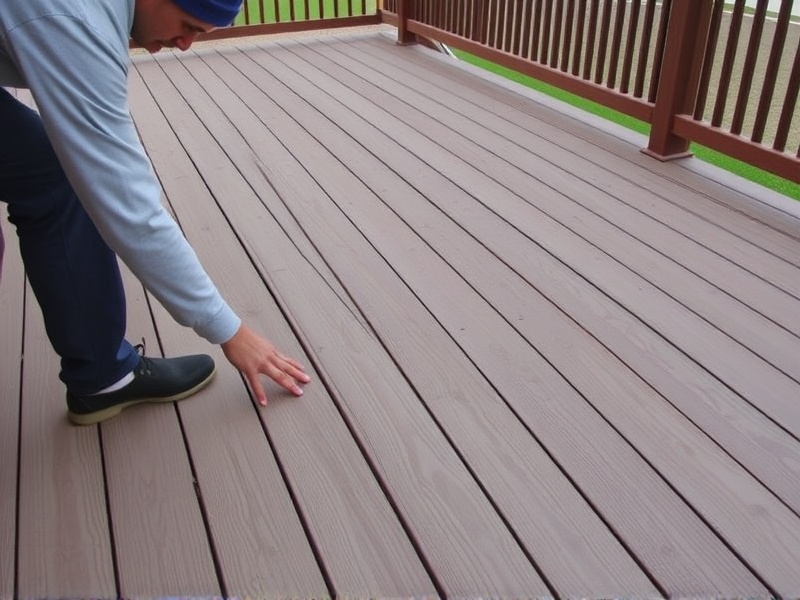
Once all the boards are laid, inspect the deck for any uneven areas or loose boards. Tighten any loose screws and adjust boards as needed. Finally, apply a waterproof sealant if desired to protect the composite material from moisture and UV damage.
Conclusion
Installing 135mm composite decking can be a rewarding DIY project that enhances your outdoor living space. By following these step-by-step instructions and avoiding common pitfalls, you can ensure a successful installation that will last for years to come. Remember to always refer to the manufacturer’s guidelines and take your time during the process.



Reviews
There are no reviews yet.